our blog

AI Is Turning Product Design Into A Judgement-Led Discipline
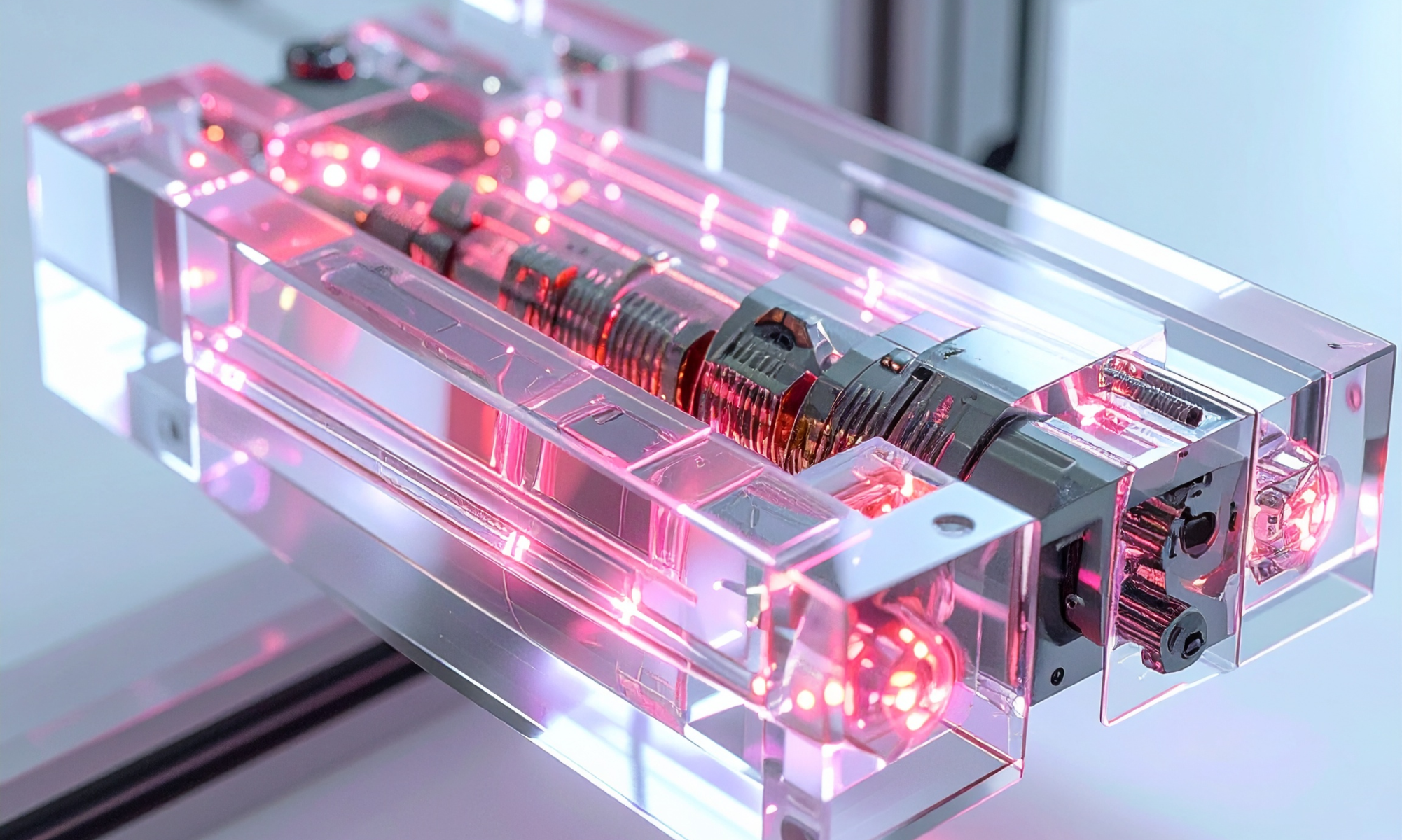
Illustration showing product designers making judgement-led decisions in AI systems with variable, context-dependent outcomes rather than fixed outputs.

Digital product design has always involved judgement. Designers make decisions about structure, interactions and workflows based on user needs, business goals and technical constraints. While there are established principles and best practices, there is rarely a single correct answer, and design has always involved balancing trade-offs and making informed choices about what works best in a given context.

AI changes the nature of those judgements because systems no longer behave in entirely fixed or predictable ways. In traditional digital products, the relationship between input and outcome is usually relatively clear. Users follow defined flows, interactions produce expected results and behaviour remains largely consistent until a deliberate change is made.

AI-native products behave differently. Outputs can vary depending on context, phrasing, previous interactions and how the system interprets a request in that moment. The same input can produce multiple valid outcomes, each technically acceptable but not necessarily equally useful, appropriate or helpful to the user.

That changes what design is trying to optimise for. It is no longer only about finding the right interaction pattern or defining the ideal user flow. Increasingly, it involves deciding what variation is acceptable, where consistency matters most and how systems should behave when there is no single obvious answer.

Many of the design challenges become questions of judgement rather than rules. How much flexibility should a system have before outcomes start to feel unreliable? When should behaviour adapt to context and when should it remain consistent? How should uncertainty be surfaced to users? What does a good outcome actually look like when there may be several reasonable possibilities rather than one clearly correct response?

These are not questions that can always be resolved through frameworks or best practice alone. They often require teams to observe how systems behave in the real world, understand how users respond and continuously refine where boundaries should sit. Design becomes less about defining exact outcomes and more about shaping the conditions that help good outcomes happen consistently.

This also changes how product, design and engineering teams work together. Instead of moving towards a fully defined solution, teams are increasingly working within areas of ambiguity where the best answer emerges through observation, testing and refinement. Judgement becomes a shared capability rather than something applied at a single stage of the process.

At Studio Graphene, this is increasingly shaping how we approach AI-native product design. The challenge is no longer only designing interfaces or workflows, but making thoughtful decisions about how systems should behave across a range of contexts and outcomes. Design still provides structure, but increasingly it is judgement that helps keep products useful, reliable and coherent when there is rarely a single definitive answer.
spread the word, spread the word, spread the word, spread the word,
Illustration showing product designers making judgement-led decisions in AI systems with variable, context-dependent outcomes rather than fixed outputs.
AI

AI Is Turning Product Design Into A Judgement-Led Discipline

AI-generated illustration showing the shift in product design from static interfaces and predefined flows to evolving AI-native systems. The image reflects how design decisions extend beyond launch as products adapt through user interaction, feedback loops and changing system behaviour over time.
AI

AI Product Design No Longer Stops At Launch

AI-generated illustration showing how UX design is evolving in AI products, with a balance between automation, trust, visibility and human control. The image represents the shift from traditional predictable software flows to more adaptive AI-driven experiences where clarity and recoverability are important to user confidence.
AI

Why AI Products Need Different UX Design Principles

Abstract illustration representing AI-driven product development, showing iterative cycles of building, testing and refining digital products.
AI

AI Has Made Product Iteration Faster. The Mindset Hasn’t Changed

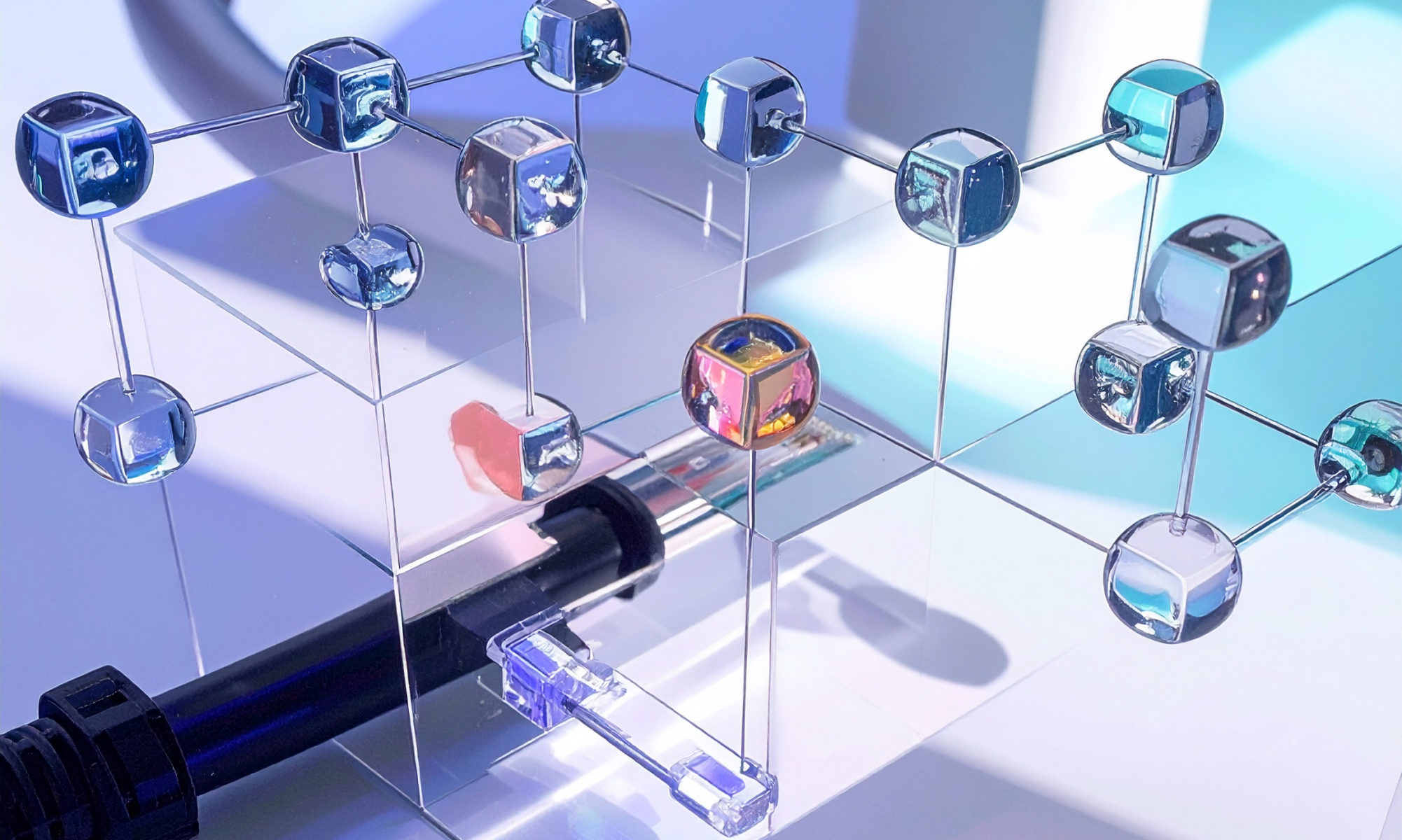
Abstract visual showing interconnected digital teams, workflows and systems representing shared ownership and accountability in AI-native product environments
AI

AI-Native Products Are Changing Ownership Models In Digital Teams

AI Is Turning Product Design Into A Judgement-Led Discipline

Illustration showing product designers making judgement-led decisions in AI systems with variable, context-dependent outcomes rather than fixed outputs.
AI

AI Is Turning Product Design Into A Judgement-Led Discipline

AI Product Design No Longer Stops At Launch

AI-generated illustration showing the shift in product design from static interfaces and predefined flows to evolving AI-native systems. The image reflects how design decisions extend beyond launch as products adapt through user interaction, feedback loops and changing system behaviour over time.
AI

AI Product Design No Longer Stops At Launch

Why AI Products Need Different UX Design Principles

AI-generated illustration showing how UX design is evolving in AI products, with a balance between automation, trust, visibility and human control. The image represents the shift from traditional predictable software flows to more adaptive AI-driven experiences where clarity and recoverability are important to user confidence.
AI

Why AI Products Need Different UX Design Principles

AI Has Made Product Iteration Faster. The Mindset Hasn’t Changed

Abstract illustration representing AI-driven product development, showing iterative cycles of building, testing and refining digital products.
AI

AI Has Made Product Iteration Faster. The Mindset Hasn’t Changed

AI-Native Products Are Changing Ownership Models In Digital Teams

Abstract visual showing interconnected digital teams, workflows and systems representing shared ownership and accountability in AI-native product environments
AI

AI-Native Products Are Changing Ownership Models In Digital Teams

AI Is Turning Product Design Into A Judgement-Led Discipline

Illustration showing product designers making judgement-led decisions in AI systems with variable, context-dependent outcomes rather than fixed outputs.

AI Product Design No Longer Stops At Launch

AI-generated illustration showing the shift in product design from static interfaces and predefined flows to evolving AI-native systems. The image reflects how design decisions extend beyond launch as products adapt through user interaction, feedback loops and changing system behaviour over time.

Why AI Products Need Different UX Design Principles

AI-generated illustration showing how UX design is evolving in AI products, with a balance between automation, trust, visibility and human control. The image represents the shift from traditional predictable software flows to more adaptive AI-driven experiences where clarity and recoverability are important to user confidence.

AI Has Made Product Iteration Faster. The Mindset Hasn’t Changed

Abstract illustration representing AI-driven product development, showing iterative cycles of building, testing and refining digital products.

AI-Native Products Are Changing Ownership Models In Digital Teams

Abstract visual showing interconnected digital teams, workflows and systems representing shared ownership and accountability in AI-native product environments