our blog

AI-Native Products Are Blurring The Line Between Product And Service Design

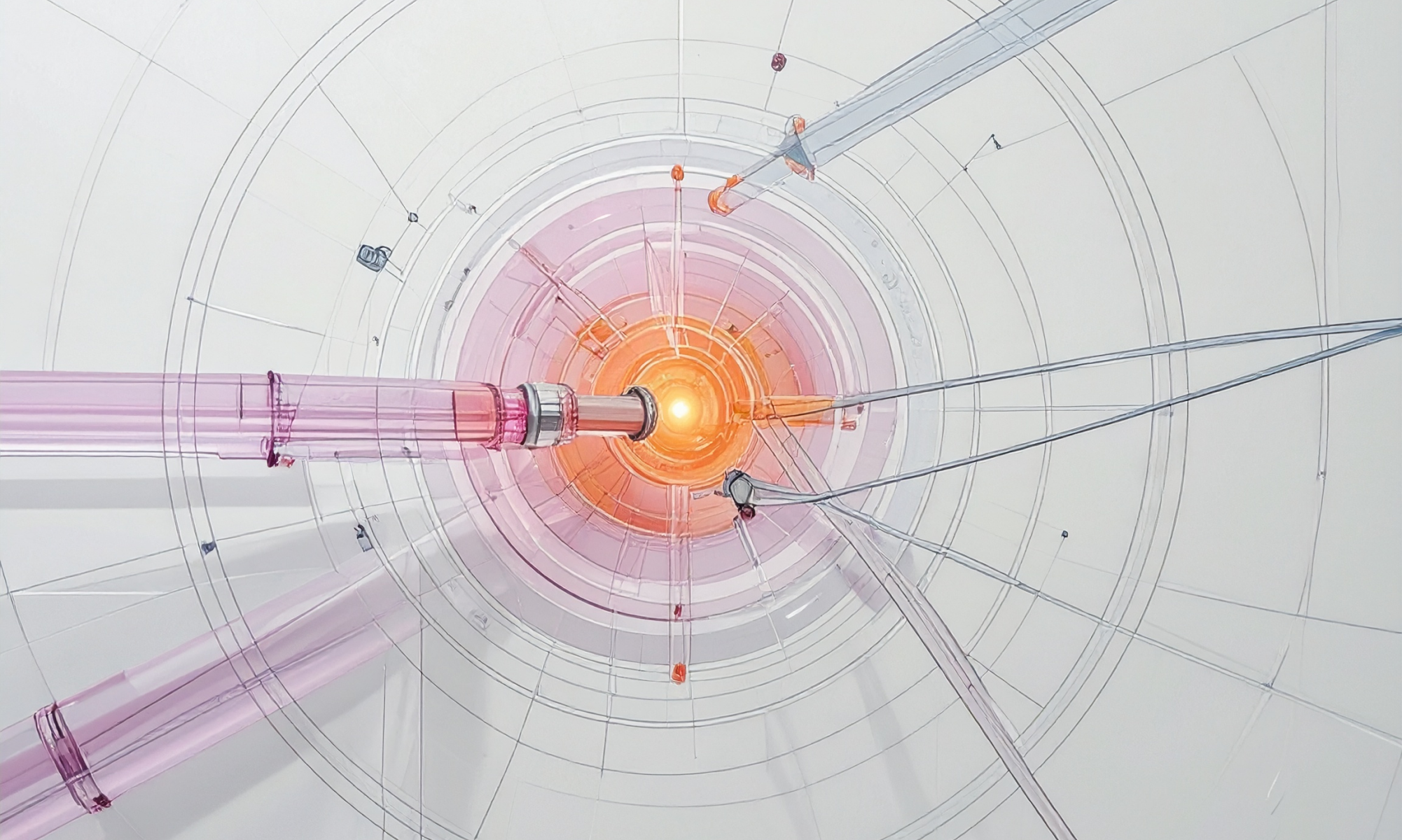
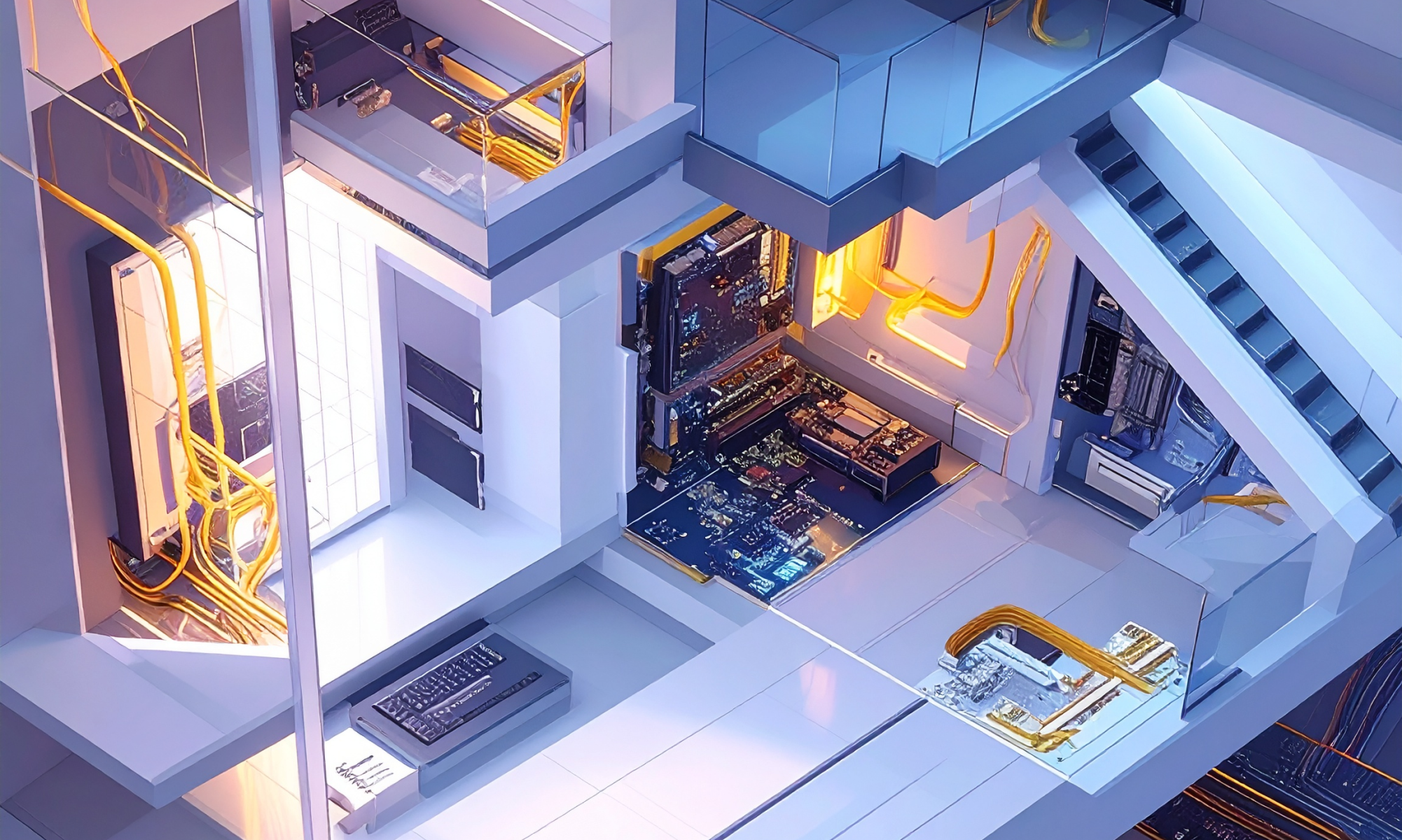
Abstract visual representing AI-native product and service design with connected workflows, digital interfaces and operational systems working together

Software products have traditionally been designed with fairly clear boundaries. The product itself is built, launched and improved over time, while the service around it sits separately. Support teams handle issues, operational processes manage exceptions, and service design tends to exist around the product rather than within it. That model works when systems behave in predictable ways - but AI changes the equation.

As products become more probabilistic, context dependent and continuously evolving, the experience no longer sits entirely inside the interface. What users experience is increasingly shaped by everything around the system as much as the system itself. Human review, escalation paths, approval workflows, fallback behaviour and operational oversight all influence whether the product feels reliable in practice.

This is often where AI products become more complex than they first appear. A chatbot might seem like a simple interface layer, but in reality it depends on what happens when the system is uncertain, when a request falls outside expected behaviour, or when the user needs escalation into a human workflow. The visible interaction is only one part of the experience and often the least complicated part.

In that context, product design and service design start to overlap much more directly. The interface still matters, but so does everything that allows the system to operate coherently once it is in use. A well designed AI product is not only defined by what it does when everything works, but by how effectively it handles everything that happens around the edges.

That changes what needs to be considered from the start. Designing an AI-native product increasingly means thinking about operational workflows, ownership boundaries, review processes and recovery paths as part of the product itself rather than something added afterwards.

At Studio Graphene, this is something we see repeatedly in AI projects. The interface is often the most visible part, but rarely the whole solution. What determines whether a product actually works in practice is usually how well the surrounding service model has been designed - and whether that thinking started early enough to shape the product, not just support it.
spread the word, spread the word, spread the word, spread the word,
Abstract visual representing AI-native product and service design with connected workflows, digital interfaces and operational systems working together
AI

AI-Native Products Are Blurring The Line Between Product And Service Design

Abstract representation of AI product design showing evolving digital interfaces and iterative system behaviour over time
AI

AI Products Don’t Stay Finished: Why Product Design Is Becoming More Iterative Than Ever

Ritam Gandhi announces Studio Graphene’s integration with Tribe and expansion into Ireland
Studio

Why We’re Welcoming Tribe into Studio Graphene

AI-driven digital interface showing reduced user interaction, with automated systems handling tasks in the background while users monitor outputs and decisions through a simplified dashboard.
AI

AI Is Making Interfaces Less Visible. But Design Is Becoming More Important, Not Less

Diagram showing shift from linear user journeys to continuous, context-aware AI interactions
AI

AI Interaction Design and Conversational UX: Moving Beyond Linear User Journeys

AI-Native Products Are Blurring The Line Between Product And Service Design

Abstract visual representing AI-native product and service design with connected workflows, digital interfaces and operational systems working together
AI

AI-Native Products Are Blurring The Line Between Product And Service Design

AI Products Don’t Stay Finished: Why Product Design Is Becoming More Iterative Than Ever

Abstract representation of AI product design showing evolving digital interfaces and iterative system behaviour over time
AI

AI Products Don’t Stay Finished: Why Product Design Is Becoming More Iterative Than Ever

Why We’re Welcoming Tribe into Studio Graphene

Ritam Gandhi announces Studio Graphene’s integration with Tribe and expansion into Ireland
Studio

Why We’re Welcoming Tribe into Studio Graphene

AI Is Making Interfaces Less Visible. But Design Is Becoming More Important, Not Less

AI-driven digital interface showing reduced user interaction, with automated systems handling tasks in the background while users monitor outputs and decisions through a simplified dashboard.
AI

AI Is Making Interfaces Less Visible. But Design Is Becoming More Important, Not Less

AI Interaction Design and Conversational UX: Moving Beyond Linear User Journeys

Diagram showing shift from linear user journeys to continuous, context-aware AI interactions
AI

AI Interaction Design and Conversational UX: Moving Beyond Linear User Journeys

AI-Native Products Are Blurring The Line Between Product And Service Design

Abstract visual representing AI-native product and service design with connected workflows, digital interfaces and operational systems working together

AI Products Don’t Stay Finished: Why Product Design Is Becoming More Iterative Than Ever

Abstract representation of AI product design showing evolving digital interfaces and iterative system behaviour over time

Why We’re Welcoming Tribe into Studio Graphene

Ritam Gandhi announces Studio Graphene’s integration with Tribe and expansion into Ireland

AI Is Making Interfaces Less Visible. But Design Is Becoming More Important, Not Less

AI-driven digital interface showing reduced user interaction, with automated systems handling tasks in the background while users monitor outputs and decisions through a simplified dashboard.

AI Interaction Design and Conversational UX: Moving Beyond Linear User Journeys

Diagram showing shift from linear user journeys to continuous, context-aware AI interactions