our blog

Ethical AI for Businesses: Building Trust from the Start
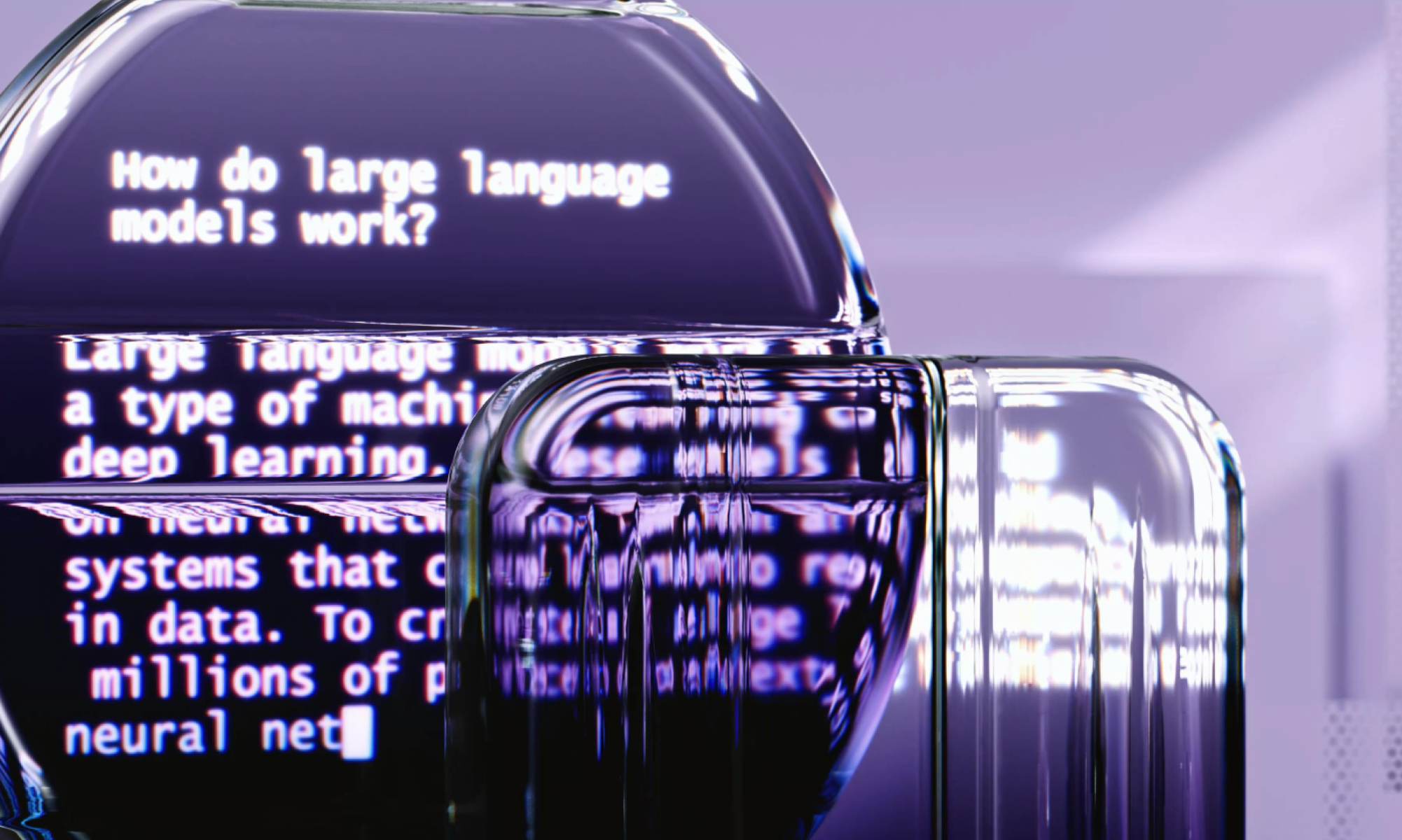
AI dashboards showing transparent, human-monitored outputs

AI depends on trust. Teams and users need to know that outputs are fair, transparent and accountable. Without these safeguards, AI can produce unexpected or biased results if not designed and monitored carefully. 

Sometimes AI reflects hidden biases in the data it’s trained on or generates results that aren’t easy to interpret. Without oversight, this can lead to mistakes, confuse users or create risks for the business. Ethical AI means building systems that are explainable and human monitored, with clear accountability and traceable outputs that help teams act confidently while protecting users.

Building ethical AI starts early. Defining guiding principles, auditing training data, involving stakeholders in design decisions and continuously monitoring outputs ensures AI behaves as intended. Ethics becomes part of the product, not an afterthought. In practice, this means embedding checks and balances into every project from the start, validating outputs, monitoring performance, and keeping them easy to understand.

Teams need to know which models are in use, what data they rely on and who is responsible for them. Regular testing helps catch hidden issues and ensures AI behaves reliably for all users. Humans stay involved throughout, with review points and escalation paths so every automated output can be checked. Decisions are documented in practical ways, making it easy to review and discuss with stakeholders. Ongoing monitoring of trends, user groups and feedback helps spot and fix issues early, keeping systems aligned with ethical standards.

At Studio Graphene, we apply these principles across all AI projects. We approach AI thoughtfully, tailoring how and where it’s used to deliver genuine impact while keeping teams in the loop. Our teams are continuously trained to use AI responsibly and safely, ensuring it delivers the best experience for users.

We experiment, adapt and stay mindful of risks like security and privacy to keep our approach grounded. When working with clients, we show data flows, user journeys and human checks before any model influences decisions that affect people. We start with small proofs, check results and scale once the AI is performing safely and effectively.

Ethical AI builds trust. By focusing on fairness, transparency and accountability from the start, teams can deliver AI that adds value without compromising integrity.

spread the word, spread the word, spread the word, spread the word,
Abstract representation of AI product design showing evolving digital interfaces and iterative system behaviour over time
AI

AI Products Don’t Stay Finished: Why Product Design Is Becoming More Iterative Than Ever

Ritam Gandhi announces Studio Graphene’s integration with Tribe and expansion into Ireland
Studio

Why We’re Welcoming Tribe into Studio Graphene

AI-driven digital interface showing reduced user interaction, with automated systems handling tasks in the background while users monitor outputs and decisions through a simplified dashboard.
AI

AI Is Making Interfaces Less Visible. But Design Is Becoming More Important, Not Less

Diagram showing shift from linear user journeys to continuous, context-aware AI interactions
AI

AI Interaction Design and Conversational UX: Moving Beyond Linear User Journeys

Abstract illustration showing multimodal AI interfaces connecting voice, chat and automated systems across a digital product workflow, representing unified interaction design
AI

Multimodal AI Interface Design: Connecting Voice, Chat And Automation In Digital Products

AI Products Don’t Stay Finished: Why Product Design Is Becoming More Iterative Than Ever

Abstract representation of AI product design showing evolving digital interfaces and iterative system behaviour over time
AI

AI Products Don’t Stay Finished: Why Product Design Is Becoming More Iterative Than Ever

Why We’re Welcoming Tribe into Studio Graphene

Ritam Gandhi announces Studio Graphene’s integration with Tribe and expansion into Ireland
Studio

Why We’re Welcoming Tribe into Studio Graphene

AI Is Making Interfaces Less Visible. But Design Is Becoming More Important, Not Less

AI-driven digital interface showing reduced user interaction, with automated systems handling tasks in the background while users monitor outputs and decisions through a simplified dashboard.
AI

AI Is Making Interfaces Less Visible. But Design Is Becoming More Important, Not Less

AI Interaction Design and Conversational UX: Moving Beyond Linear User Journeys

Diagram showing shift from linear user journeys to continuous, context-aware AI interactions
AI

AI Interaction Design and Conversational UX: Moving Beyond Linear User Journeys

Multimodal AI Interface Design: Connecting Voice, Chat And Automation In Digital Products

Abstract illustration showing multimodal AI interfaces connecting voice, chat and automated systems across a digital product workflow, representing unified interaction design
AI

Multimodal AI Interface Design: Connecting Voice, Chat And Automation In Digital Products

AI Products Don’t Stay Finished: Why Product Design Is Becoming More Iterative Than Ever

Abstract representation of AI product design showing evolving digital interfaces and iterative system behaviour over time

Why We’re Welcoming Tribe into Studio Graphene

Ritam Gandhi announces Studio Graphene’s integration with Tribe and expansion into Ireland

AI Is Making Interfaces Less Visible. But Design Is Becoming More Important, Not Less

AI-driven digital interface showing reduced user interaction, with automated systems handling tasks in the background while users monitor outputs and decisions through a simplified dashboard.

AI Interaction Design and Conversational UX: Moving Beyond Linear User Journeys

Diagram showing shift from linear user journeys to continuous, context-aware AI interactions

Multimodal AI Interface Design: Connecting Voice, Chat And Automation In Digital Products

Abstract illustration showing multimodal AI interfaces connecting voice, chat and automated systems across a digital product workflow, representing unified interaction design