our blog

How AI Interfaces Are Changing Certainty In Software Design
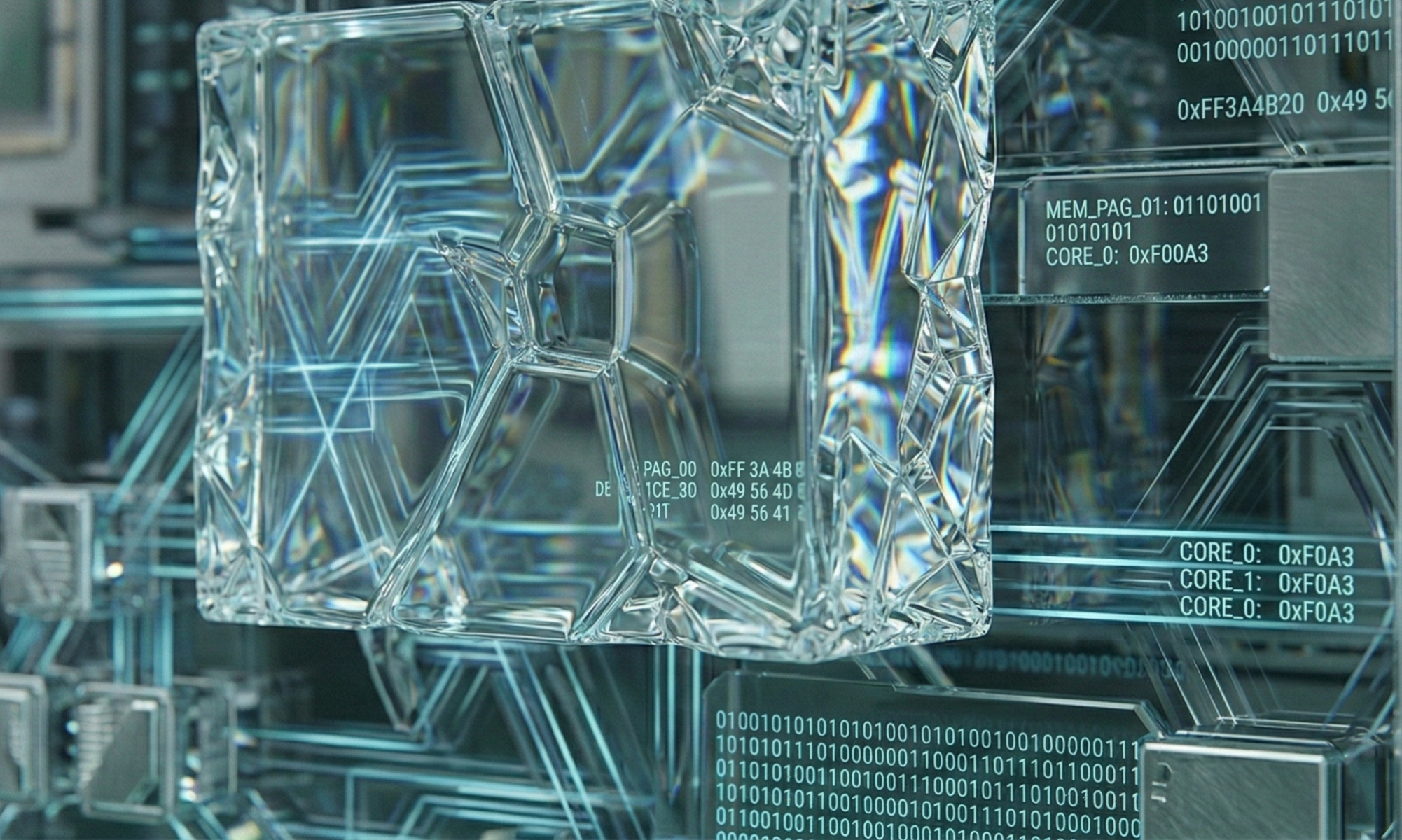
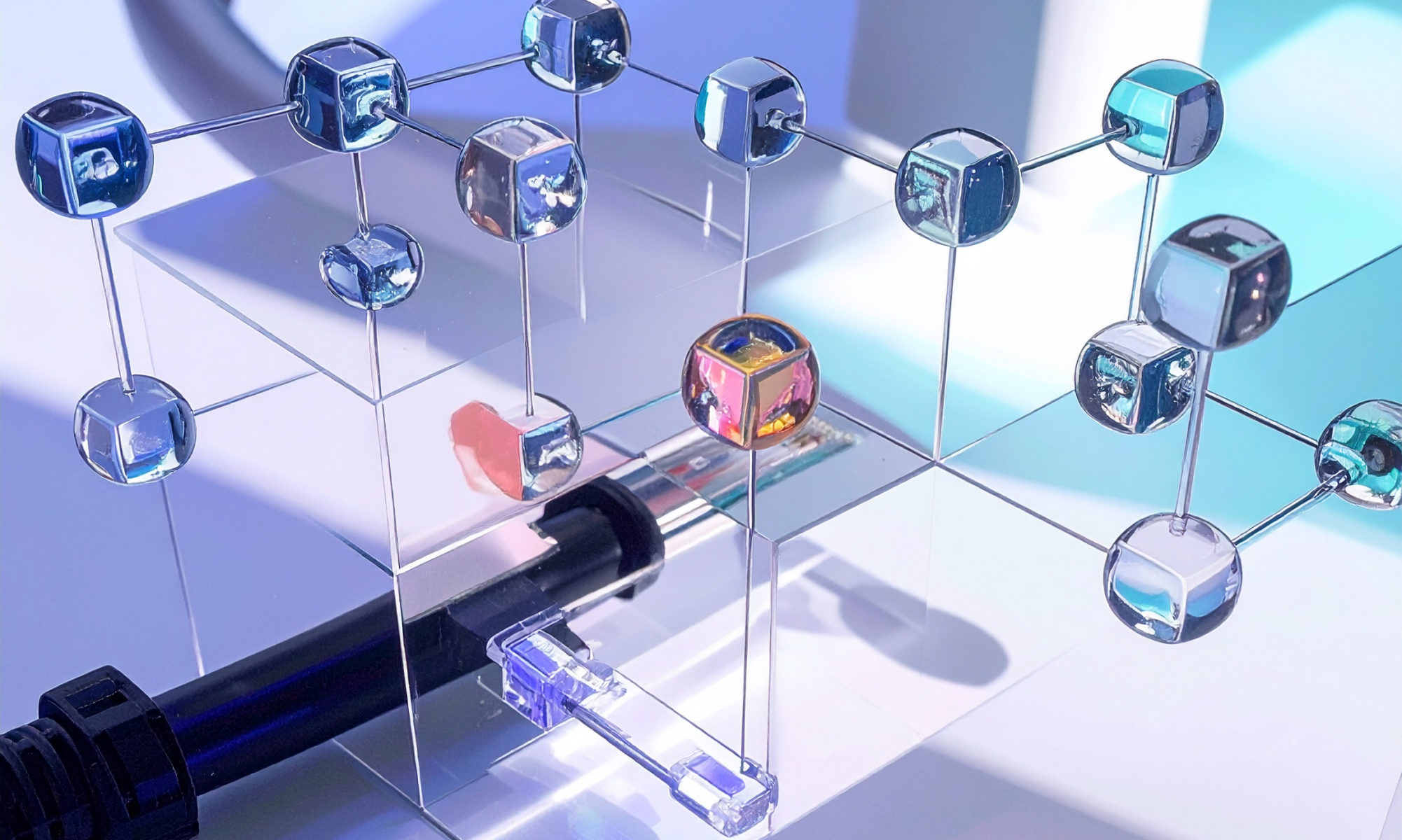
Abstract illustration of AI-driven software interfaces showing uncertainty in outputs and decision-making across digital products.

For as long as most of us can remember, software has been built around certainty. You take an action, the system responds -the interface makes that output clear. Under the hood, these systems are deterministic - i.e the same input leads to the same result and the interface exists to communicate that clearly. That flow works because the behaviour is predictable.

AI changes that dynamic. These systems don’t behave in the same fixed way as outputs are shaped by patterns, probabilities and context. What you tend to see is closer to a best guess than a guaranteed answer, even if it's rapidly produced, looks precise and well formed. The fascinating thing is that the underlying logic has changed, but the way it’s presented often hasn’t.

That mismatch is where problems start. A recommendation can look like the answer. A generated summary can read as if it’s complete. From a user’s point of view, there’s often no clear sign that what they’re looking at is one possible outcome rather than a definitive one. The irony being that the interface suggests more certainty than the system actually has.

You see the effect of this pretty quickly as people take outputs at face value because they look confident, not because they’ve been verified. Most of the time that’s fine, but when something isn’t quite right, it’s annoying in a way it shouldn’t be, because it wasn’t presented as something that might need questioning. Trust drops, not because the product is poor, but because expectations were too high.

Designing for AI requires a more deliberate approach. The goal isn’t to explain the model or surface technical detail, but to help people understand what they’re looking at and how to use it. That might mean showing how confident the system is, offering alternative outputs or making it easy to tweak and refine results. Small signals make a big difference.

It also changes how we think about consistency. In traditional software, inconsistency is treated as a defect to remove. In AI-driven systems, variation is part of how the system works and interfaces need to support that. Iterating, comparing and correcting should feel like a normal part of using the product, not something you only do when things go wrong.

At Studio Graphene, this is a practical design decision. Where outcomes need to be fixed, we use rules-based logic. Where uncertainty is part of the problem, we design for it. Trying to make probabilistic outputs feel completely certain usually creates more issues than it solves.

As AI becomes part of more critical workflows, this becomes less of a design detail and more of a trust question. For us it's making sure the behaviour is clear enough that people understand when and how to rely on it.
spread the word, spread the word, spread the word, spread the word,
Abstract illustration showing AI influencing product strategy, with connected systems representing ideas, validation and rapid experimentation feeding into product decisions
AI

How AI Is Changing Product Strategy and Validation

Illustration showing product designers making judgement-led decisions in AI systems with variable, context-dependent outcomes rather than fixed outputs.
AI

AI Is Turning Product Design Into A Judgement-Led Discipline

AI-generated illustration showing the shift in product design from static interfaces and predefined flows to evolving AI-native systems. The image reflects how design decisions extend beyond launch as products adapt through user interaction, feedback loops and changing system behaviour over time.
AI

AI Product Design No Longer Stops At Launch

AI-generated illustration showing how UX design is evolving in AI products, with a balance between automation, trust, visibility and human control. The image represents the shift from traditional predictable software flows to more adaptive AI-driven experiences where clarity and recoverability are important to user confidence.
AI

Why AI Products Need Different UX Design Principles

Abstract illustration representing AI-driven product development, showing iterative cycles of building, testing and refining digital products.
AI

AI Has Made Product Iteration Faster. The Mindset Hasn’t Changed

How AI Is Changing Product Strategy and Validation

Abstract illustration showing AI influencing product strategy, with connected systems representing ideas, validation and rapid experimentation feeding into product decisions
AI

How AI Is Changing Product Strategy and Validation

AI Is Turning Product Design Into A Judgement-Led Discipline

Illustration showing product designers making judgement-led decisions in AI systems with variable, context-dependent outcomes rather than fixed outputs.
AI

AI Is Turning Product Design Into A Judgement-Led Discipline

AI Product Design No Longer Stops At Launch

AI-generated illustration showing the shift in product design from static interfaces and predefined flows to evolving AI-native systems. The image reflects how design decisions extend beyond launch as products adapt through user interaction, feedback loops and changing system behaviour over time.
AI

AI Product Design No Longer Stops At Launch

Why AI Products Need Different UX Design Principles

AI-generated illustration showing how UX design is evolving in AI products, with a balance between automation, trust, visibility and human control. The image represents the shift from traditional predictable software flows to more adaptive AI-driven experiences where clarity and recoverability are important to user confidence.
AI

Why AI Products Need Different UX Design Principles

AI Has Made Product Iteration Faster. The Mindset Hasn’t Changed

Abstract illustration representing AI-driven product development, showing iterative cycles of building, testing and refining digital products.
AI

AI Has Made Product Iteration Faster. The Mindset Hasn’t Changed

How AI Is Changing Product Strategy and Validation

Abstract illustration showing AI influencing product strategy, with connected systems representing ideas, validation and rapid experimentation feeding into product decisions

AI Is Turning Product Design Into A Judgement-Led Discipline

Illustration showing product designers making judgement-led decisions in AI systems with variable, context-dependent outcomes rather than fixed outputs.

AI Product Design No Longer Stops At Launch

AI-generated illustration showing the shift in product design from static interfaces and predefined flows to evolving AI-native systems. The image reflects how design decisions extend beyond launch as products adapt through user interaction, feedback loops and changing system behaviour over time.

Why AI Products Need Different UX Design Principles

AI-generated illustration showing how UX design is evolving in AI products, with a balance between automation, trust, visibility and human control. The image represents the shift from traditional predictable software flows to more adaptive AI-driven experiences where clarity and recoverability are important to user confidence.

AI Has Made Product Iteration Faster. The Mindset Hasn’t Changed

Abstract illustration representing AI-driven product development, showing iterative cycles of building, testing and refining digital products.