connected energy app for customers
project better energy, project better energy, project better energy, project better energy, project better energy, project better energy,
project better energy, project better energy, project better energy, project better energy,



Introduction
PBE is one of the UK’s largest home-energy installers, with 15,000 + homes using their products across solar (Project Solar), EV charging (Project EV) and air-source heat pumps. Historically, customers monitored their systems via third-party inverter apps (Fox, Solax), leaving PBE disconnected post-sale, unable to surface insights or upsell complementary products (batteries, EV chargers, maintenance).
PBE partnered with Studio Graphene to build a first-party mobile experience that reconnects customers to their system, and to PBE, while laying the groundwork for grid trading to shorten the solar payback period.
.avif)
From these insights, we defined user flows, user stories and a phased delivery roadmap.
Solution
We began with in-person discovery workshops across leadership and delivery teams, including the CEO, technical advisor, product owner and IT stakeholders, to map journeys from pre-install to post-install. This highlighted critical gaps: data fragmented across multiple brands, no unified customer record, no ability to upsell or cross-sell and limited visibility for customer support teams.
From these insights, we defined user flows, user stories and a phased delivery roadmap.
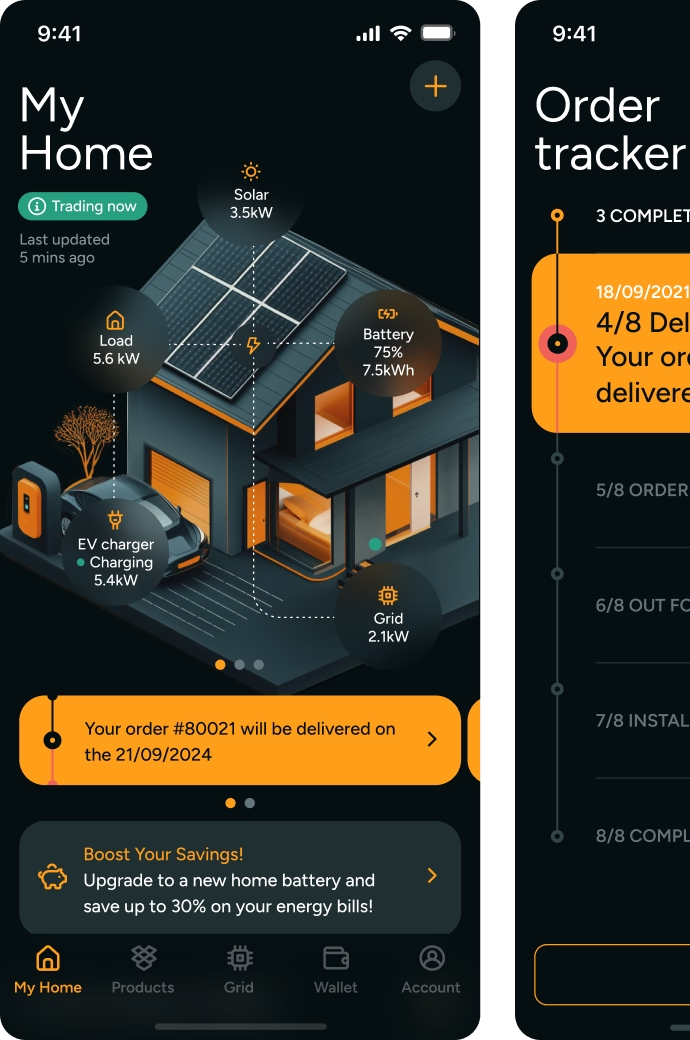
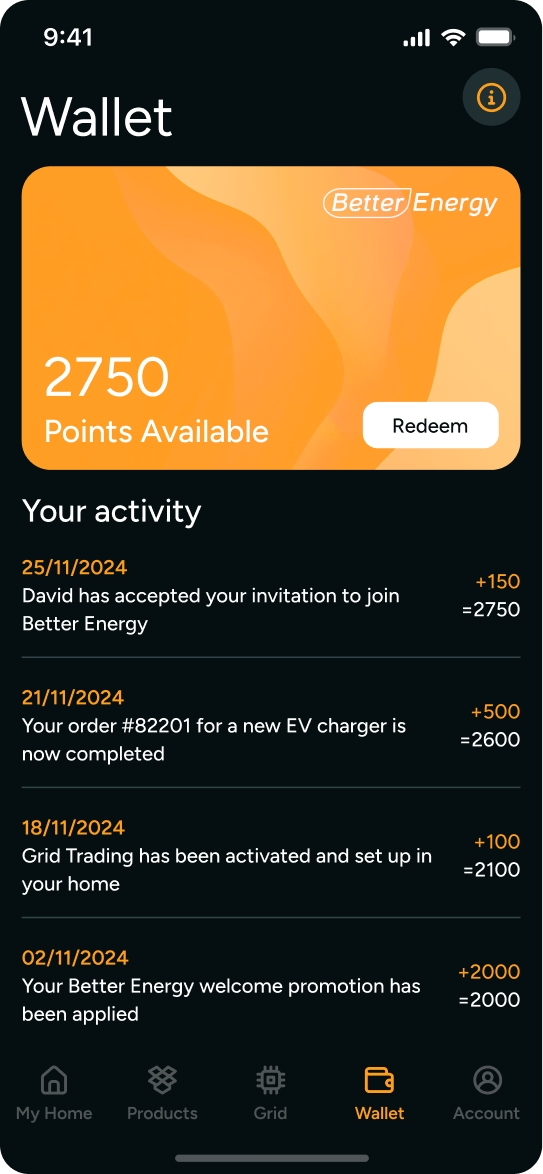
From a design perspective, the priority was to create a seamless onboarding journey. Customers needed to sign up quickly, link their installation and access their energy data without friction. This included surfacing contracts directly in-app and introducing an order tracker that maps each step of the installation journey (from scaffolding to go-live). The aim was to reduce pre-install drop-offs and improve trust during what is a major household investment.

.avif)
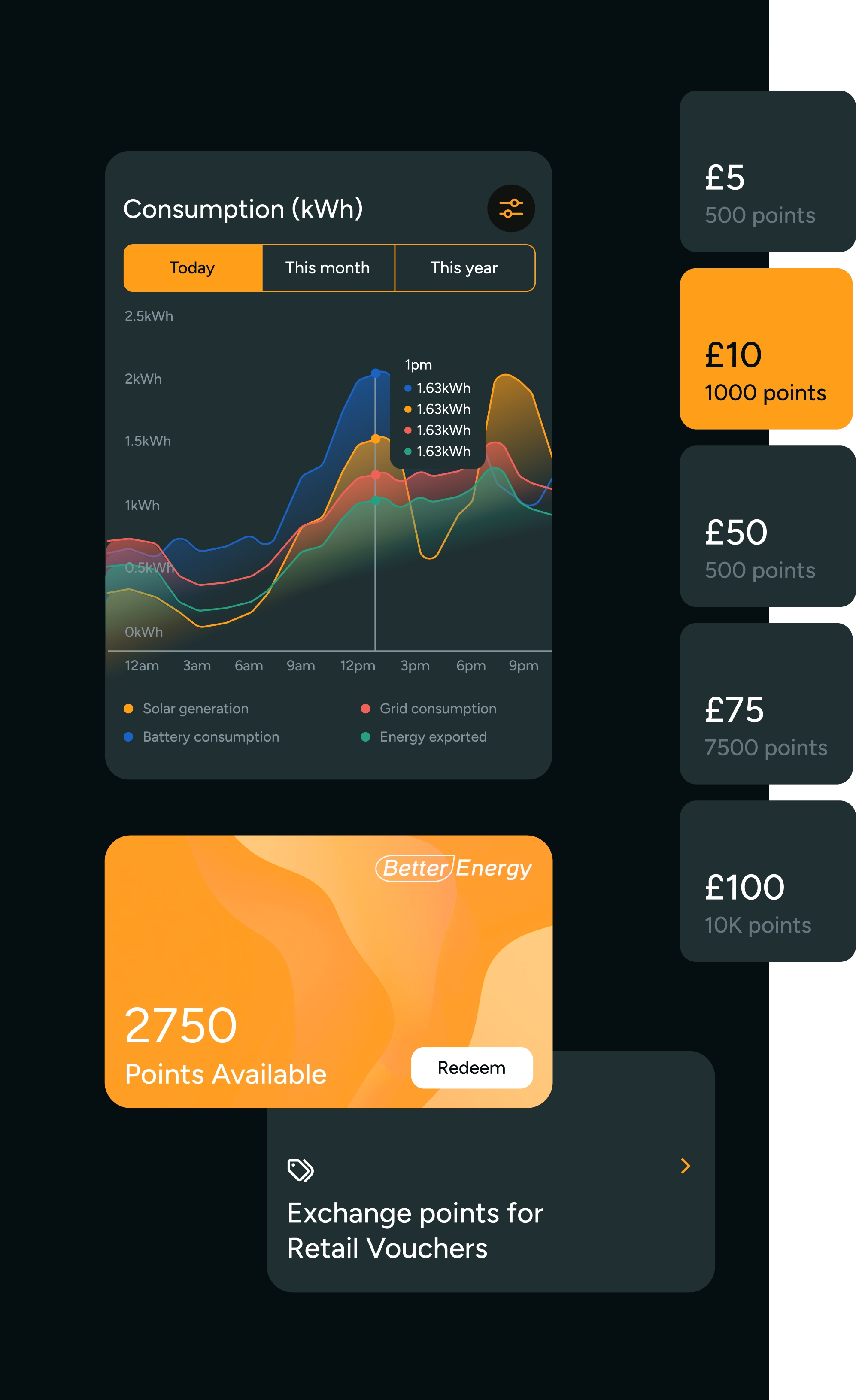
The second design challenge was data visualisation. Existing third-party apps presented users with complex, technical graphs that were hard to interpret.
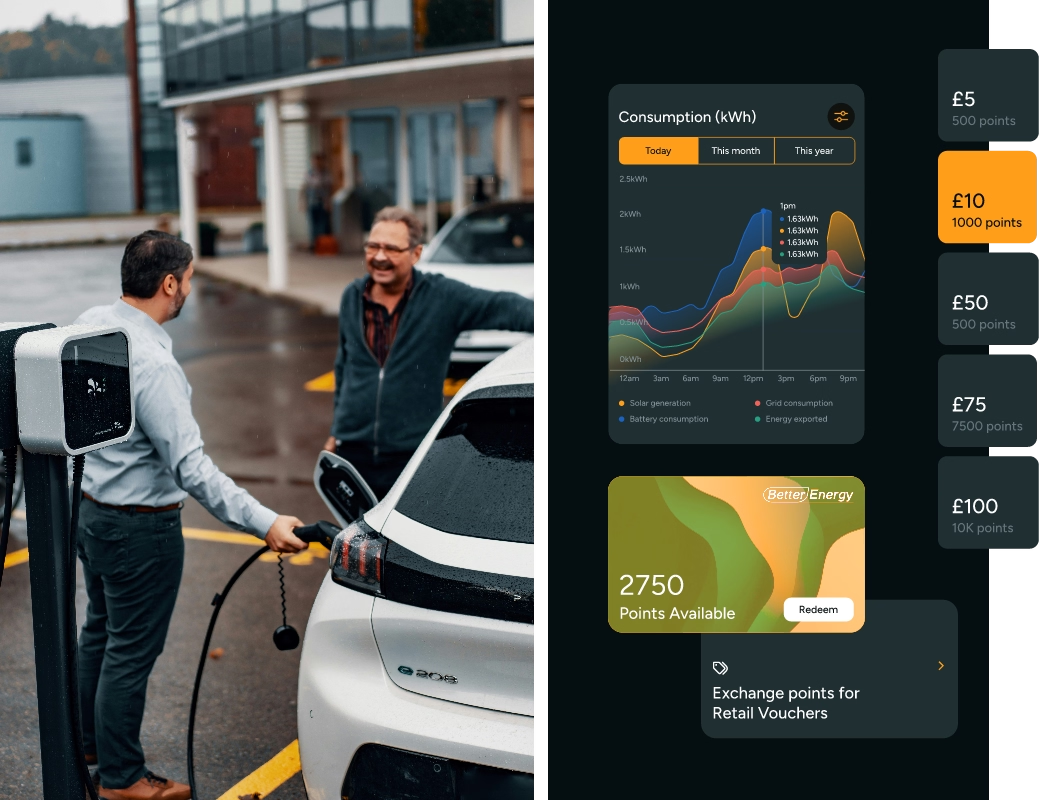
We rethought this experience entirely, creating dashboards that foregrounded the metrics customers care about most: how much energy they’ve generated, how much they’ve used, how much they’ve sold back to the grid and how much money they’ve saved. By prioritising clarity and context over raw data, the app not only makes energy usage easy to understand but also reinforces the tangible financial benefits of choosing PBE.
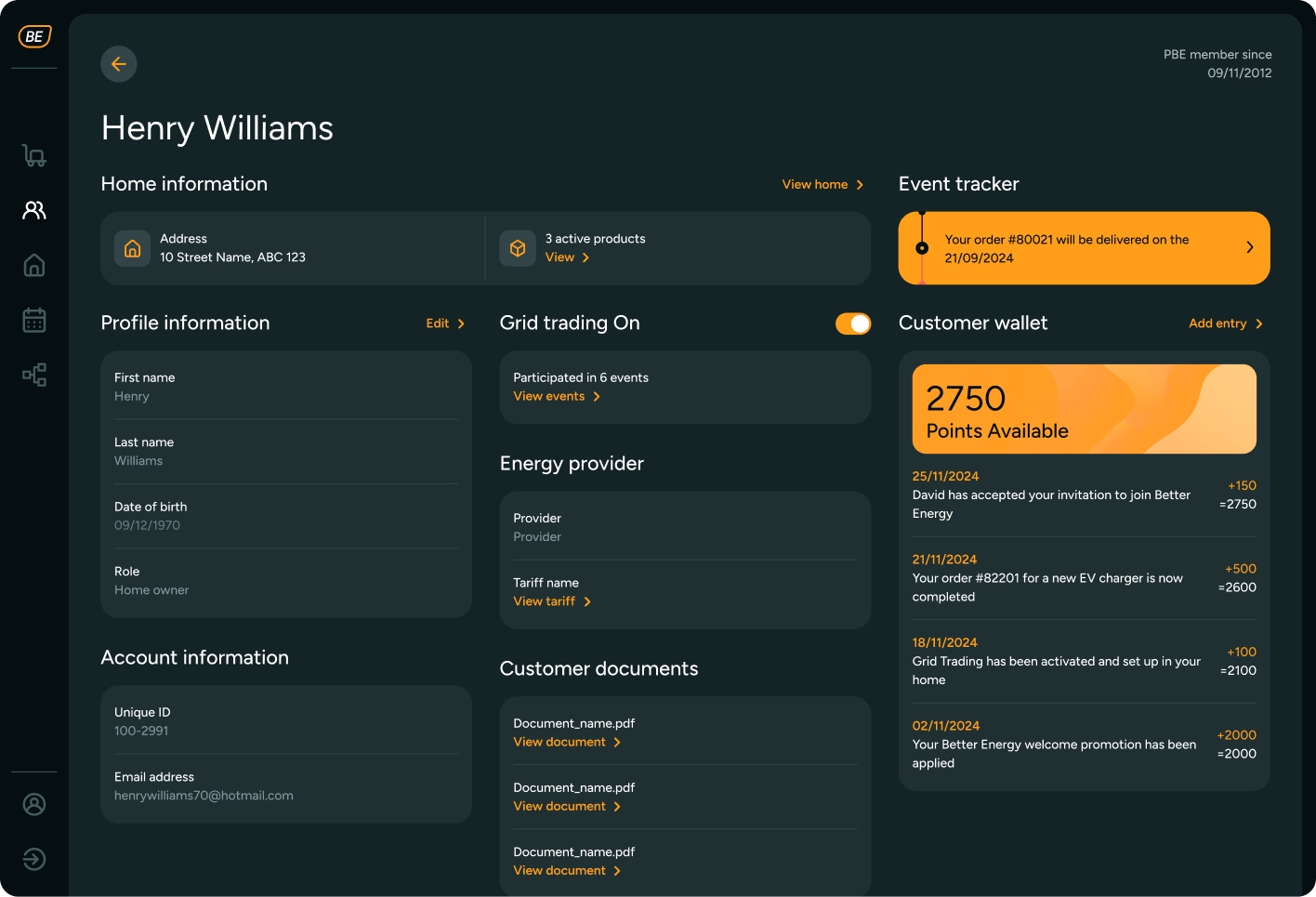
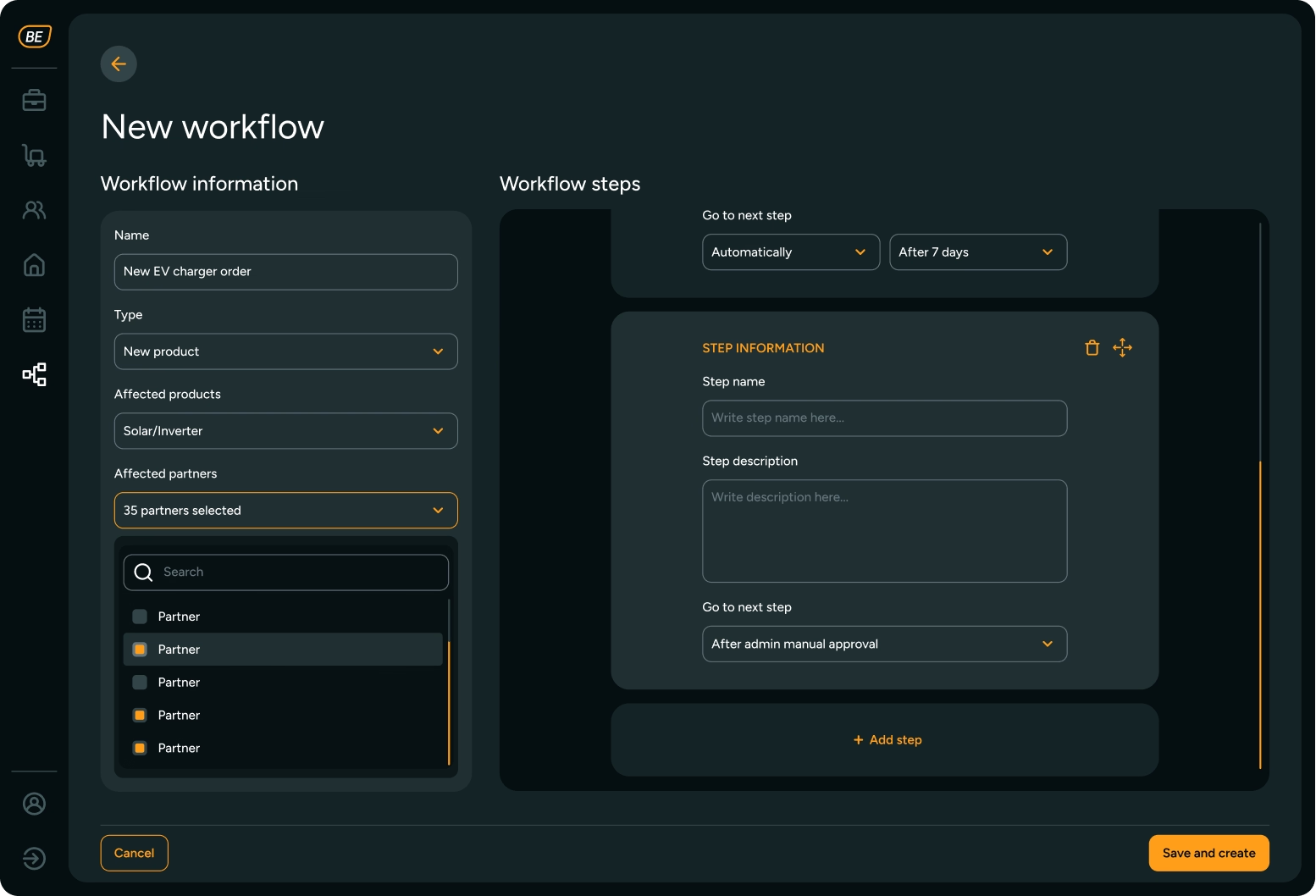
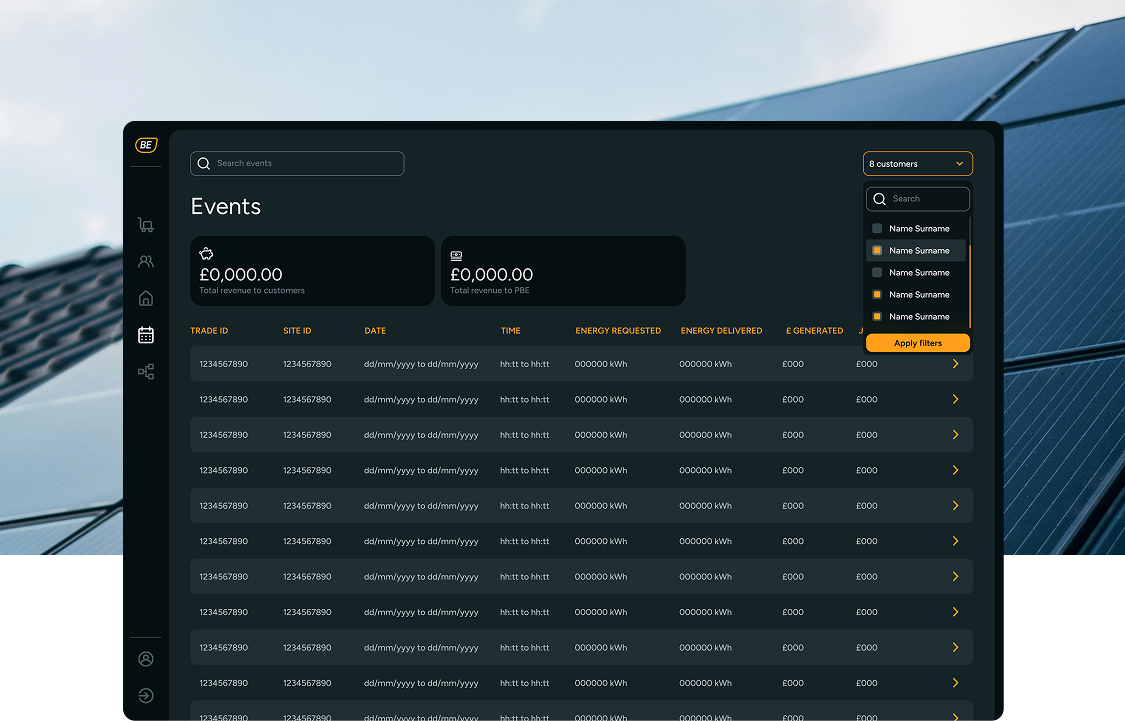
In addition to the customer-facing app, we built a web-based admin portal for PBE’s support team. This gives staff direct access to customer records, contracts and system status, making it easy to verify issues and resolve queries quickly. By integrating with PBE’s existing CRM, the portal automatically pulls through customer details and installation data, reducing manual checks and providing a single, reliable view of each account.
On the technical side, the mobile app was built with React Native for iOS and Android, supported by a Node.js backend and a React-based admin portal. We integrated with Fox and Solax inverter APIs for telemetry and control, PBE’s CRM for customer data, Perse for industry tariff/meter information and Joulen for grid trading and smart scheduling. The latter involved bespoke APIs to securely orchestrate battery charge, discharge and device usage at scale - powered by an AI-based optimisation system and tested on live employee devices due to the absence of sandbox environments.
From a design perspective, the priority was to create a seamless onboarding journey. Customers needed to sign up quickly, link their installation and access their energy data without friction. This included surfacing contracts directly in-app and introducing an order tracker that maps each step of the installation journey (from scaffolding to go-live). The aim was to reduce pre-install drop-offs and improve trust during what is a major household investment.
The second design challenge was data visualisation. Existing third-party apps presented users with complex, technical graphs that were hard to interpret.
We rethought this experience entirely, creating dashboards that foregrounded the metrics customers care about most: how much energy they’ve generated, how much they’ve used, how much they’ve sold back to the grid and how much money they’ve saved. By prioritising clarity and context over raw data, the app not only makes energy usage easy to understand but also reinforces the tangible financial benefits of choosing PBE.
In addition to the customer-facing app, we built a web-based admin portal for PBE’s support team. This gives staff direct access to customer records, contracts and system status, making it easy to verify issues and resolve queries quickly. By integrating with PBE’s existing CRM, the portal automatically pulls through customer details and installation data, reducing manual checks and providing a single, reliable view of each account.
On the technical side, the mobile app was built with React Native for iOS and Android, supported by a Node.js backend and a React-based admin portal. We integrated with Fox and Solax inverter APIs for telemetry and control, PBE’s CRM for customer data, Perse for industry tariff/meter information and Joulen for grid trading and smart scheduling. The latter involved bespoke APIs to securely orchestrate battery charge, discharge and device usage at scale - powered by an AI-based optimisation system and tested on live employee devices due to the absence of sandbox environments.
From a design perspective, the priority was to create a seamless onboarding journey. Customers needed to sign up quickly, link their installation and access their energy data without friction. This included surfacing contracts directly in-app and introducing an order tracker that maps each step of the installation journey (from scaffolding to go-live). The aim was to reduce pre-install drop-offs and improve trust during what is a major household investment.


.avif)
Results
Early outcomes include reduced drop-offs during installation, faster support resolution via the admin portal and readiness for grid trading, which will allow thousands of homes to sell energy collectively - cutting payback periods and unlocking new recurring revenue. Future updates will add cross-sell offers, maintenance plans and vehicle-to-grid capability as the UK market matures.