Insights

Why “Production-Ready” AI Means More Than “It Works”
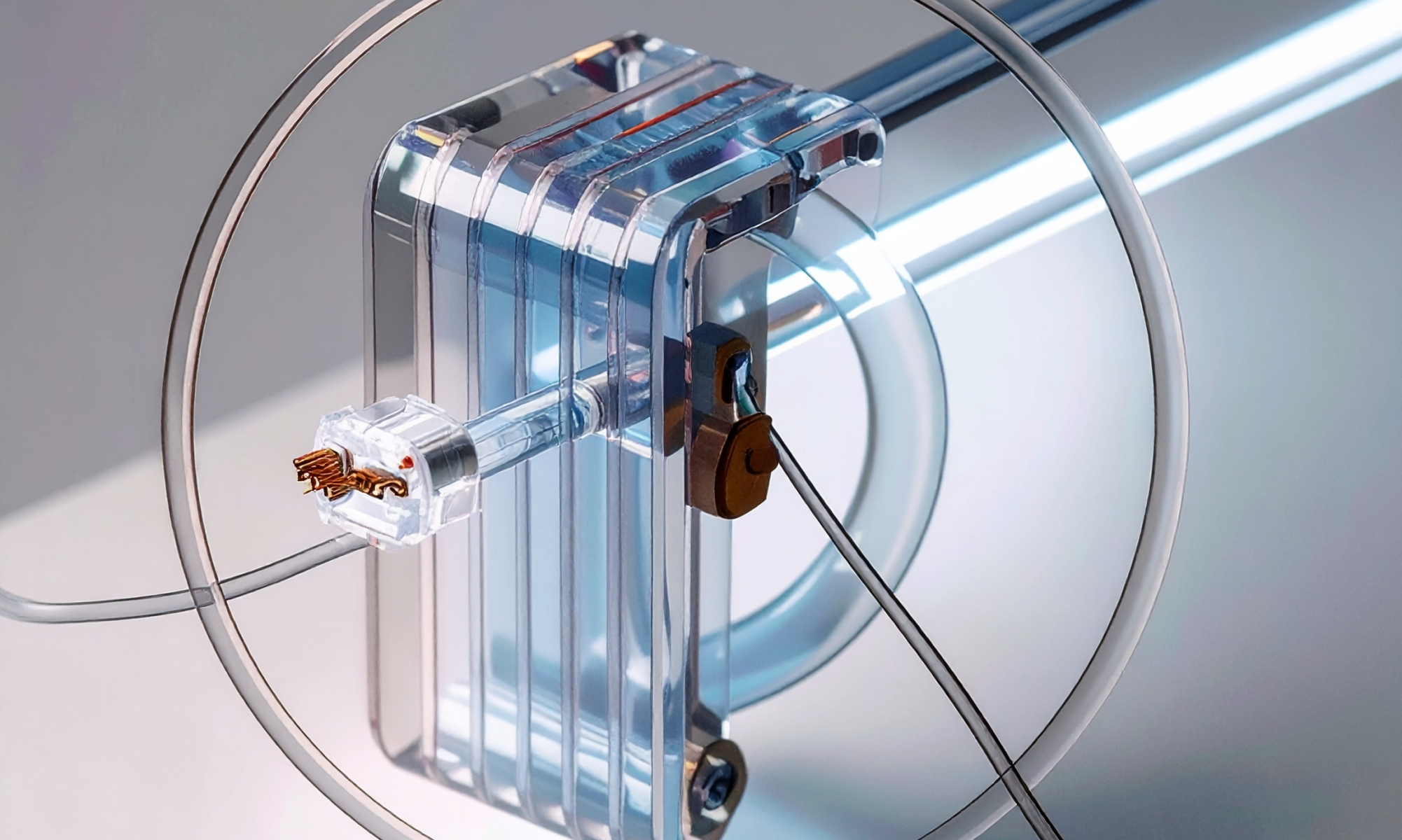
AI product development workflow showing a demo transitioning into production systems with monitoring, data and feedback loops.

A working demo can be misleading because everything seems to behave as expected - the model responds, the workflow runs and the interface does what it’s supposed to. It can create the sense that the hard part is done. In reality, that’s usually where production engineering starts. “Production-ready” is a different standard entirely, and the gap between something that works in a demo and something that can be relied on in the real world is where things get complicated.

AI has changed the pace of building. Teams can go from idea to working software faster than ever, validating concepts, testing assumptions and getting products in front of users in a fraction of the time it used to take. But that hasn’t changed what production demands. A demo shows something is possible in controlled conditions, but production is where you find out whether it can hold up under real users, scale and pressure.

Those conditions are rarely stable, and in production you’re dealing with unpredictable inputs, systems that need to scale without breaking, issues surfacing when things change and the need for enough visibility to actually understand what’s going on over time. At that point it stops being about edge cases; it’s just the reality of building something people rely on.

AI-native products add another layer of complexity because behaviour is no longer fully predictable. The same input won’t always produce the same output, models are always changing and how people use them shifts in ways that are hard to predict upfront. Production engineering moves towards being able to see what’s happening, measure what’s changing and build feedback loops that help systems improve safely as they go.

This is where the distinction between “it works” and “it is production-ready” matters, because in AI systems correctness on its own isn’t enough. Teams need confidence in how a system behaves over time, how it changes under load and how quickly they can spot and respond when things start to drift.

At Studio Graphene, we treat production readiness like something that runs through end-to-end delivery rather than a final milestone. We use Pulse, our delivery intelligence platform, to give teams visibility into delivery, quality and performance as the product evolves. It helps engineering and product teams see what’s happening in production, not just at launch, and make decisions as systems change over time.

As AI continues to reduce the cost of building software, production engineering becomes a more important differentiator. Building something that works is increasingly straightforward. Building something people can trust, operate and keep evolving is what separates impressive demonstrations from products that last.

spread the word, spread the word, spread the word, spread the word,
Illustration representing AI software delivery, measuring outcomes, validation and engineering performance rather than development output alone.
AI

True Velocity: Measuring the Real Impact of AI on Software Delivery

Illustration representing AI-native product development, combining AI capabilities with traditional software through deliberate product design.
AI

Adding AI Features Doesn’t Make a Product AI-Native

Illustration representing AI software development, engineering expertise, context engineering and accountable decision-making.
AI

Own the Answer: Why AI Software Development Needs Engineering Expertise

Illustration representing AI product design, design systems, expertise and decision-making.
AI

Encode the Judgement: Why AI Product Design Needs More Expertise, Not Less

Conceptual illustration of AI product strategy, experimentation and product decision-making.
AI

Build to Learn: How AI Is Changing Product Strategy

True Velocity: Measuring the Real Impact of AI on Software Delivery

Illustration representing AI software delivery, measuring outcomes, validation and engineering performance rather than development output alone.
AI

True Velocity: Measuring the Real Impact of AI on Software Delivery

Adding AI Features Doesn’t Make a Product AI-Native

Illustration representing AI-native product development, combining AI capabilities with traditional software through deliberate product design.
AI

Adding AI Features Doesn’t Make a Product AI-Native

Own the Answer: Why AI Software Development Needs Engineering Expertise

Illustration representing AI software development, engineering expertise, context engineering and accountable decision-making.
AI

Own the Answer: Why AI Software Development Needs Engineering Expertise

Encode the Judgement: Why AI Product Design Needs More Expertise, Not Less

Illustration representing AI product design, design systems, expertise and decision-making.
AI

Encode the Judgement: Why AI Product Design Needs More Expertise, Not Less

Build to Learn: How AI Is Changing Product Strategy

Conceptual illustration of AI product strategy, experimentation and product decision-making.
AI

Build to Learn: How AI Is Changing Product Strategy

True Velocity: Measuring the Real Impact of AI on Software Delivery

Illustration representing AI software delivery, measuring outcomes, validation and engineering performance rather than development output alone.

Adding AI Features Doesn’t Make a Product AI-Native

Illustration representing AI-native product development, combining AI capabilities with traditional software through deliberate product design.

Own the Answer: Why AI Software Development Needs Engineering Expertise

Illustration representing AI software development, engineering expertise, context engineering and accountable decision-making.

Encode the Judgement: Why AI Product Design Needs More Expertise, Not Less

Illustration representing AI product design, design systems, expertise and decision-making.

Build to Learn: How AI Is Changing Product Strategy

Conceptual illustration of AI product strategy, experimentation and product decision-making.