Insights

Making AI Understandable: Explainability That Teams Can Actually Use

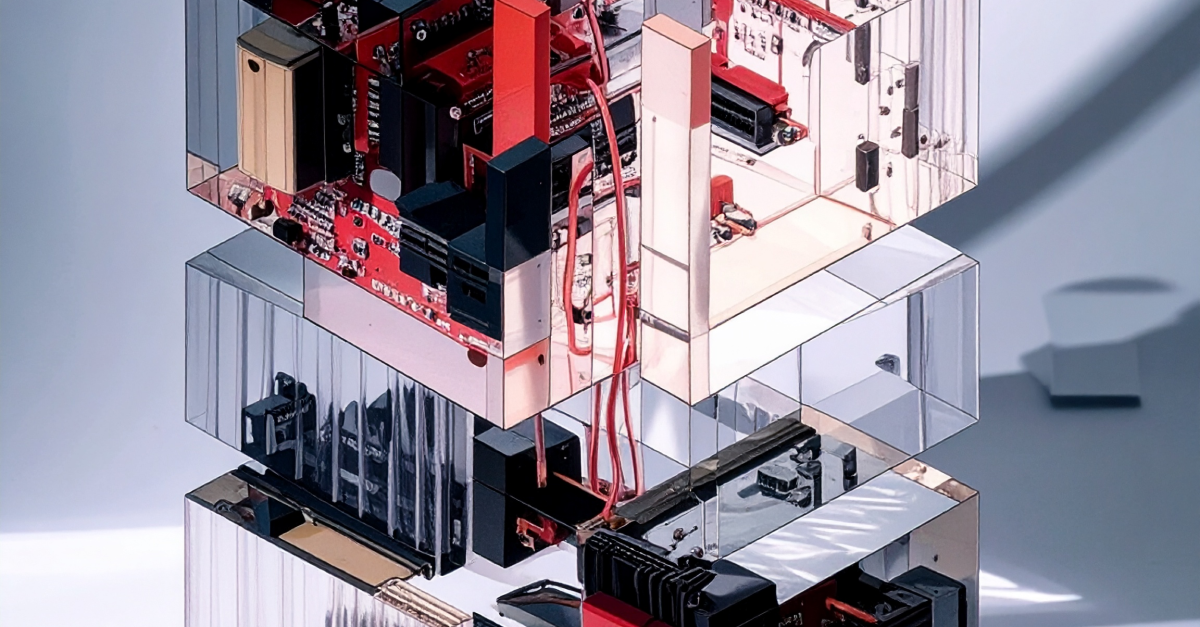
Illustration showing simple AI explanations with clear factors and confidence levels designed to help teams understand decisions.

AI can make predictions or recommendations but if people don’t understand how it reached them they won’t trust or use them. Explainability is simply showing the “why” behind what the AI suggests in a clear, human way that anyone on the team can act on. 

For example, instead of showing a complex score, the system can highlight the top three factors that influenced a decision and link to supporting evidence. This gives teams something concrete to work with, without the guesswork. People can also see the AI’s confidence level and what the recommended next step might be. If the system offers a second best option, users can compare quickly and decide what makes sense in the moment. When someone corrects the AI, that feedback can feed improvements over time so the system gets more useful in practice.

Explainability should be right sized for different roles. Operational teams only need simple evidence and clear factors so they can make fast decisions. Specialists may need deeper detail when they’re reviewing or analysing a case. The goal is to give each person just the right level of information so they can do their job without slowing down. Avoid long or over engineered explanations that look impressive but are never used.

Without practical explainability, AI outputs are more likely to be ignored or overridden. Teams can become frustrated or worst still sceptical, which leads to slow adoption and potentially missed opportunities. Explainability helps people understand what the AI is doing so they can rely on it in day to day work.

Studio Graphene works closely with teams to co design explainability that fits naturally into existing workflows. We focus on plain language, clear reasoning and simple interfaces that make AI feel more helpful than intimidating. We also help decide how much detail each role needs and build feedback loops so people can correct and improve the AI as they use it. This ensures explainability becomes something teams rely on rather than something added for completeness.

Finally, explainability is part of a wider cycle of learning. By monitoring how users interact with explanations, teams can identify gaps, retrain models and improve clarity over time. This builds trust, confidence and a shared understanding across the organisation so AI becomes an everyday and trusted tool.


spread the word, spread the word, spread the word, spread the word,
From AI-Assisted Coding to Agentic Software Development | Studio Graphene
AI

From AI-Assisted Coding to Agentic Software Development

Illustration representing AI-assisted software development, increased productivity and the changing relationship between delivery costs and client pricing.
AI

If AI Makes Software Cheaper to Build, Should Clients Pay Less?

Illustration showing an AI agent alongside a visual user interface, representing different ways people interact with digital products.
AI

Your AI Agent Still Needs a UI

Illustration representing AI-generated answers, human questioning and critical thinking in business decision-making.
AI

When AI Has the Answers, Are We Asking Enough Questions?

Illustration representing AI-driven productivity and the importance of human judgement in producing quality work.
AI

AI Means More Output. Does It Mean Better Work?

From AI-Assisted Coding to Agentic Software Development

From AI-Assisted Coding to Agentic Software Development | Studio Graphene
AI

From AI-Assisted Coding to Agentic Software Development

If AI Makes Software Cheaper to Build, Should Clients Pay Less?

Illustration representing AI-assisted software development, increased productivity and the changing relationship between delivery costs and client pricing.
AI

If AI Makes Software Cheaper to Build, Should Clients Pay Less?

Your AI Agent Still Needs a UI

Illustration showing an AI agent alongside a visual user interface, representing different ways people interact with digital products.
AI

Your AI Agent Still Needs a UI

When AI Has the Answers, Are We Asking Enough Questions?

Illustration representing AI-generated answers, human questioning and critical thinking in business decision-making.
AI

When AI Has the Answers, Are We Asking Enough Questions?

AI Means More Output. Does It Mean Better Work?

Illustration representing AI-driven productivity and the importance of human judgement in producing quality work.
AI

AI Means More Output. Does It Mean Better Work?

From AI-Assisted Coding to Agentic Software Development

From AI-Assisted Coding to Agentic Software Development | Studio Graphene

If AI Makes Software Cheaper to Build, Should Clients Pay Less?

Illustration representing AI-assisted software development, increased productivity and the changing relationship between delivery costs and client pricing.

Your AI Agent Still Needs a UI

Illustration showing an AI agent alongside a visual user interface, representing different ways people interact with digital products.

When AI Has the Answers, Are We Asking Enough Questions?

Illustration representing AI-generated answers, human questioning and critical thinking in business decision-making.

AI Means More Output. Does It Mean Better Work?

Illustration representing AI-driven productivity and the importance of human judgement in producing quality work.